
By Editorial Team
Why Learning From Artists and Makers Matters
When most of us look for a creative class, we think about the medium first. What we want to make, what we want to try. When it comes to the teacher, we usually look for someone who is encouraging and can help us learn something new. But we may not think as much about what else we can gain from learning directly from a practicing artist or maker.
DoBeDoUs focuses on creative classes taught by artists and makers with a studio practice, a body of work, a deep knowledge of their craft, and a creative life that exists well beyond the classroom. That changes what a class feels like.
You learn more than technique.
An artist or maker teaches you more than how to use a tool or follow a process. You are getting a point of view that took years to develop. A way of thinking. A way of looking at materials and at the world.
There is also something different about learning from people who regularly take an abstract idea, explore it over time, and turn it into something tangible, physical, or visual. You get a glimpse into the creative process that happens along the way.
You support the people who make New York creative.
Booking a class taught by an artist or maker means supporting the people who create the culture that draws people to New York in the first place. The studios, the shows, the objects, and the work being made in neighborhoods across the city.
Artists and makers are a big part of what makes New York feel like New York.
You get a chance to learn from their creative life.
You can get more from the experience by showing up curious. Ask about the materials and tools they use and where to find them. Ask about the history behind a technique or the artists and traditions that influenced their work. Ask for show or exhibition recommendations. Ask what to do next if you want to keep learning.
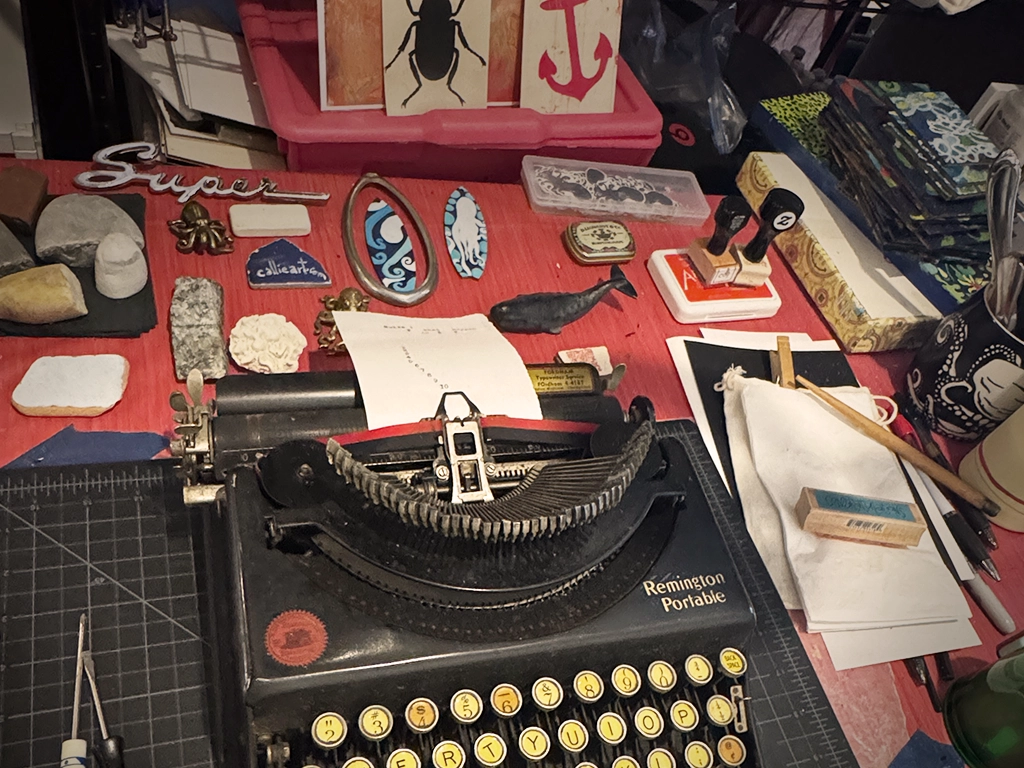
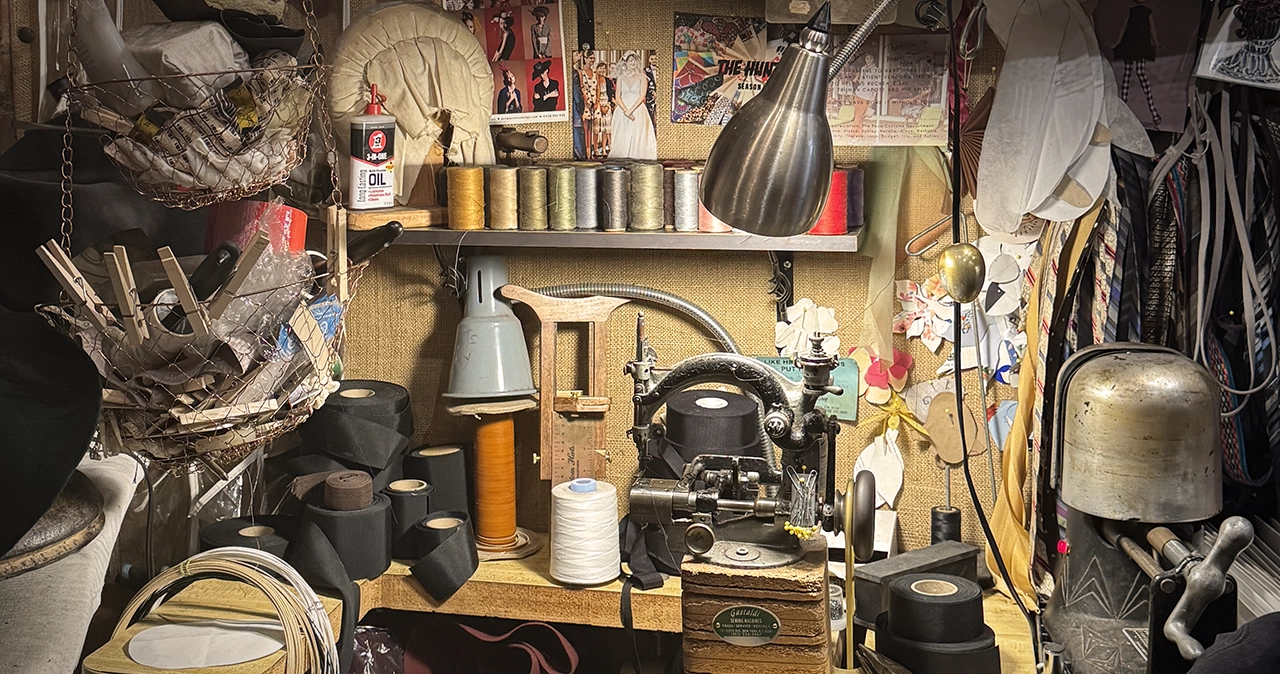
A working artist’s desk, where ideas, tools, experiments, and inspiration all share the same space.
Meet NYC Artists and Makers Teaching This Fall
The people teaching on DoBeDoUs come to their classes through very different creative paths and teaching experiences. Their passion for teaching grows from developing their own visual languages and techniques while also learning from traditions and influences that came before them. Their own journeys become part of what you get to learn.
Heejung Cho
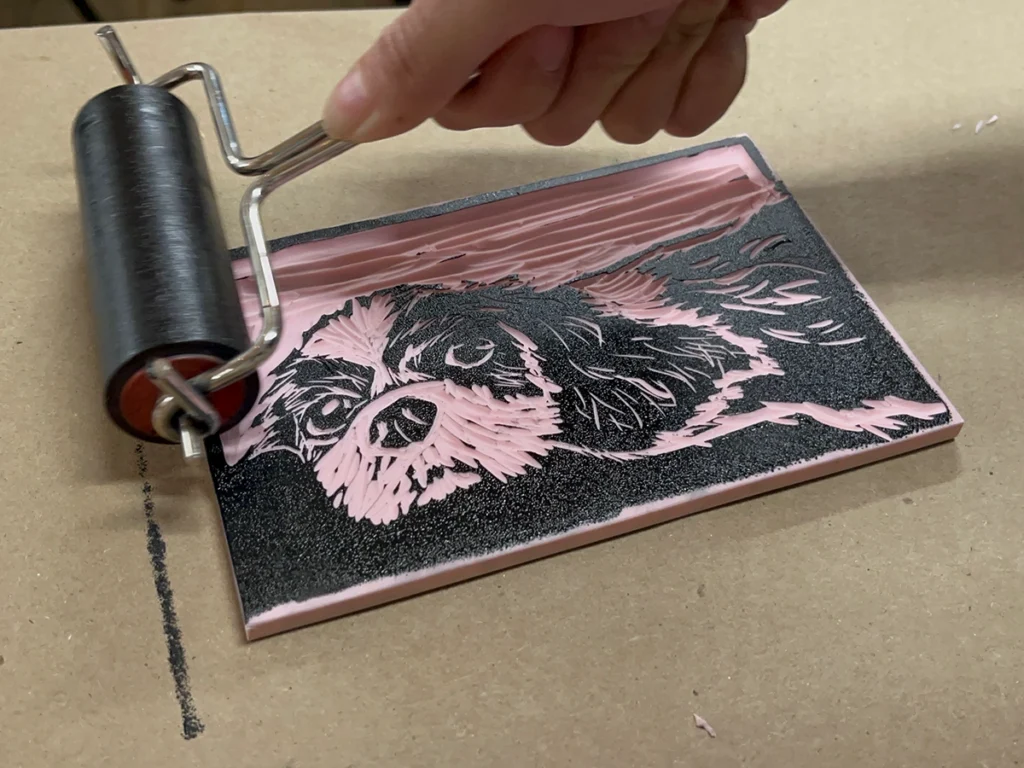
When Heejung Cho teaches block printing, she brings a practice that moves across sculpture, wood carving, clay, casting, and printmaking, as well as between Korean and American cultures. Years of taking materials and forms apart and rebuilding them in new ways have shaped how she approaches her work.

A deer in the woods by Heejung Cho
Callie Hirsch
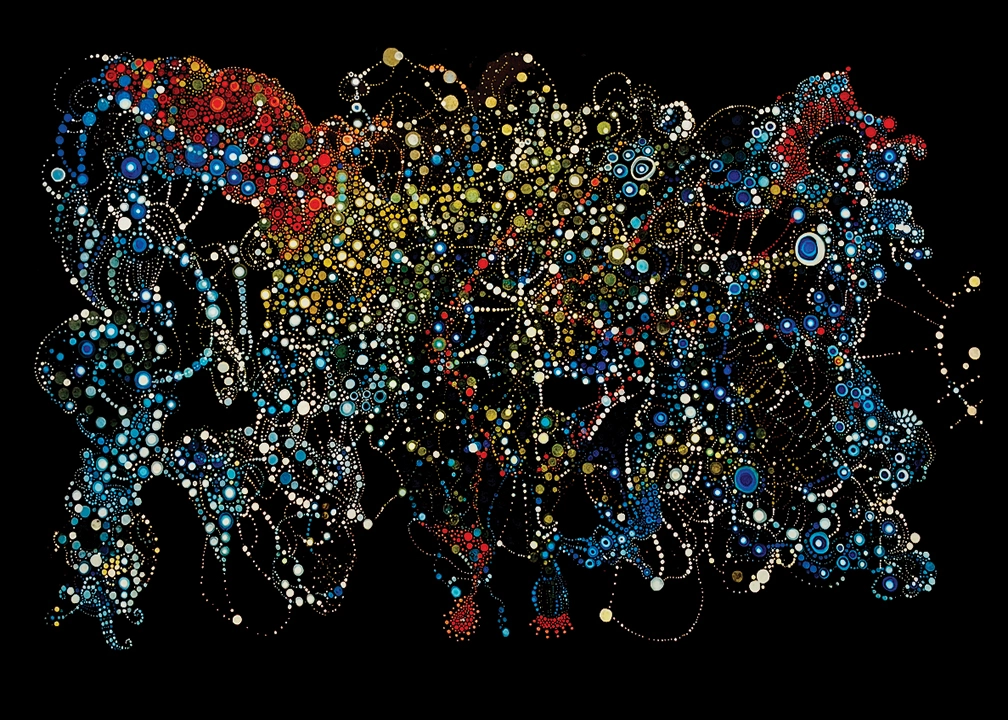
When Callie Hirsch leads a painting class, she brings her own way of observing the natural world and translating it into energetic color and shapes that feel spontaneous and playful. That openness carries into her teaching, giving people room to experiment, play, and see where the work takes them.
Astrid de Saint Anthost
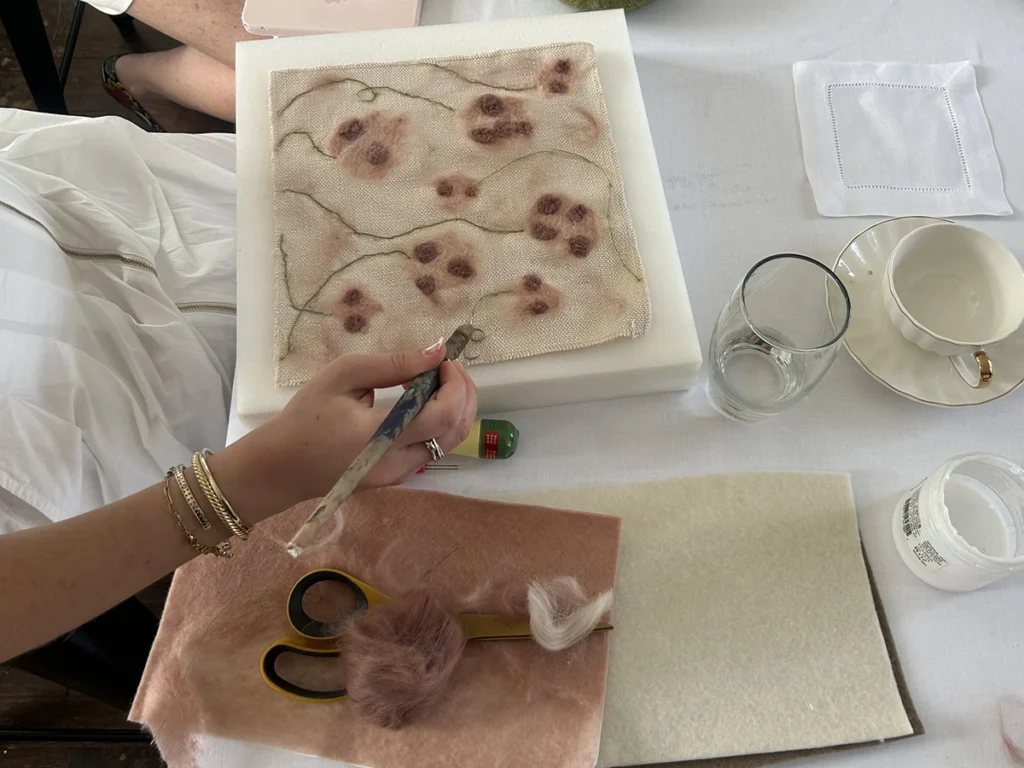
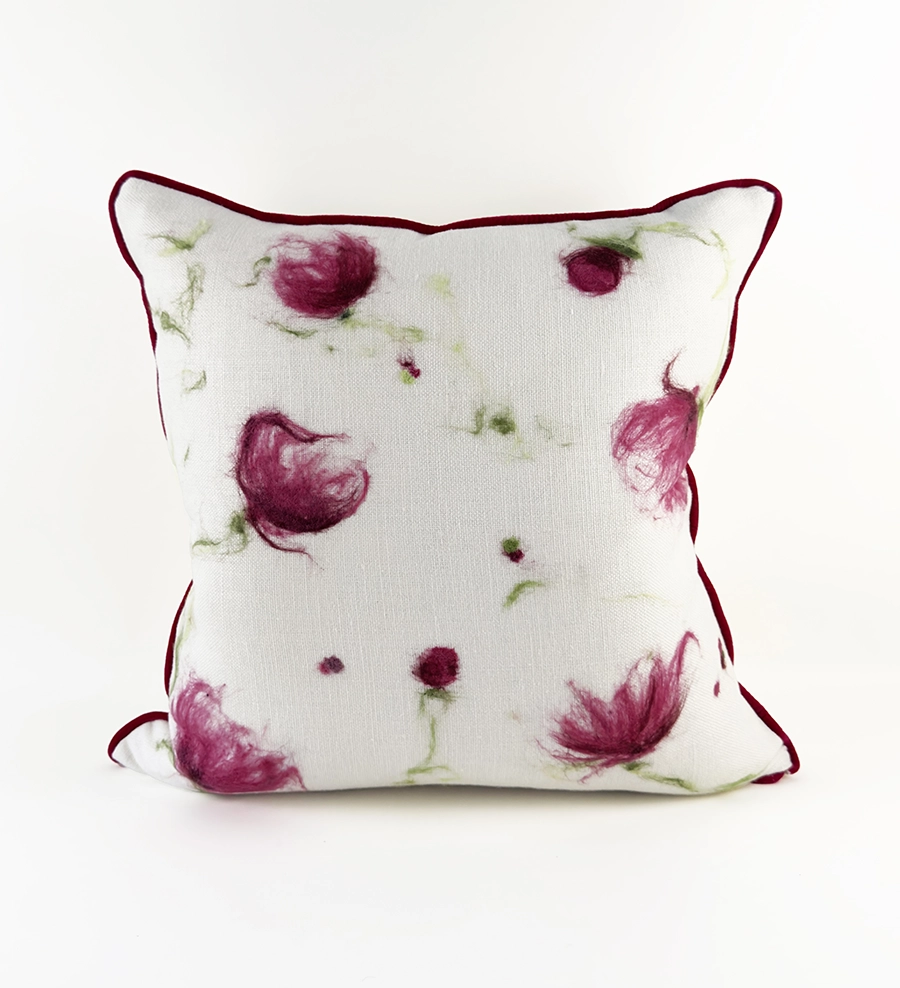
When Astrid de Saint Anthost teaches textile art, she brings a practice shaped by fashion, interiors, and handcrafted surface design. In her Brooklyn atelier, students learn her signature Paint with Wool technique, explore color, texture, and material, and create a handmade textile piece of their own. The workshops are also a way for Astrid to share the practice she has developed through her own work.
Julia Emily Knox
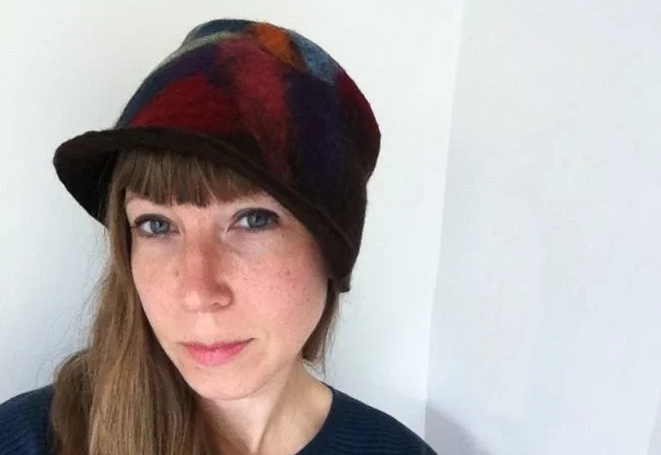
When Julia Emily Knox and her milliners team teach hat making, students learn inside a working East Village studio surrounded by antique hat blocks and custom hats in progress. An English milliner trained in New York, Julia works with traditional tools, materials, and a collection of hat blocks spanning more than a century, while continuing to add blocks of her own design.

Stephanie S. Lee
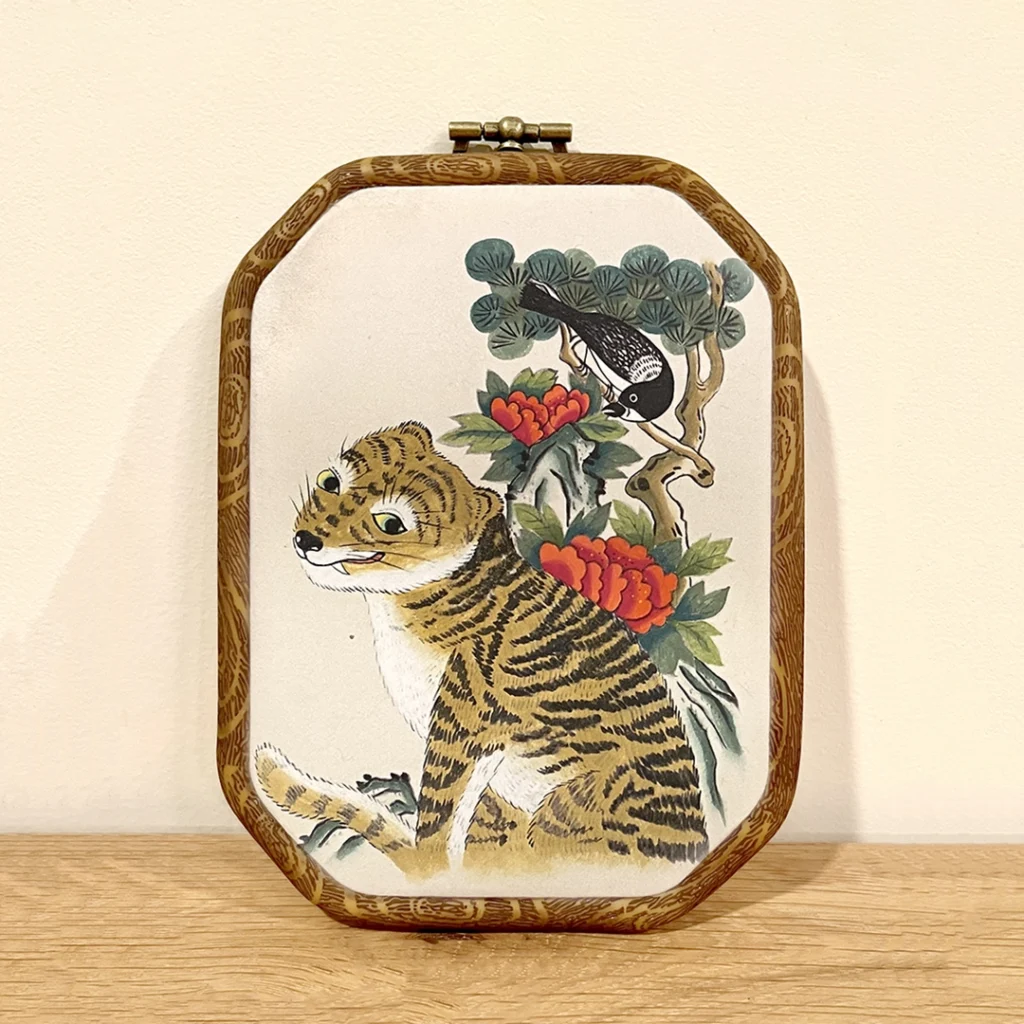
When Stephanie.S Lee teaches Korean folk painting, she brings a centuries-old tradition into her own contemporary practice, sharing the symbolic stories, vivid colors, and playful imagery of Minhwa while exploring modern storytelling through traditional techniques.

Traditional Wish, by Stephanie S. Lee
Jean Oh
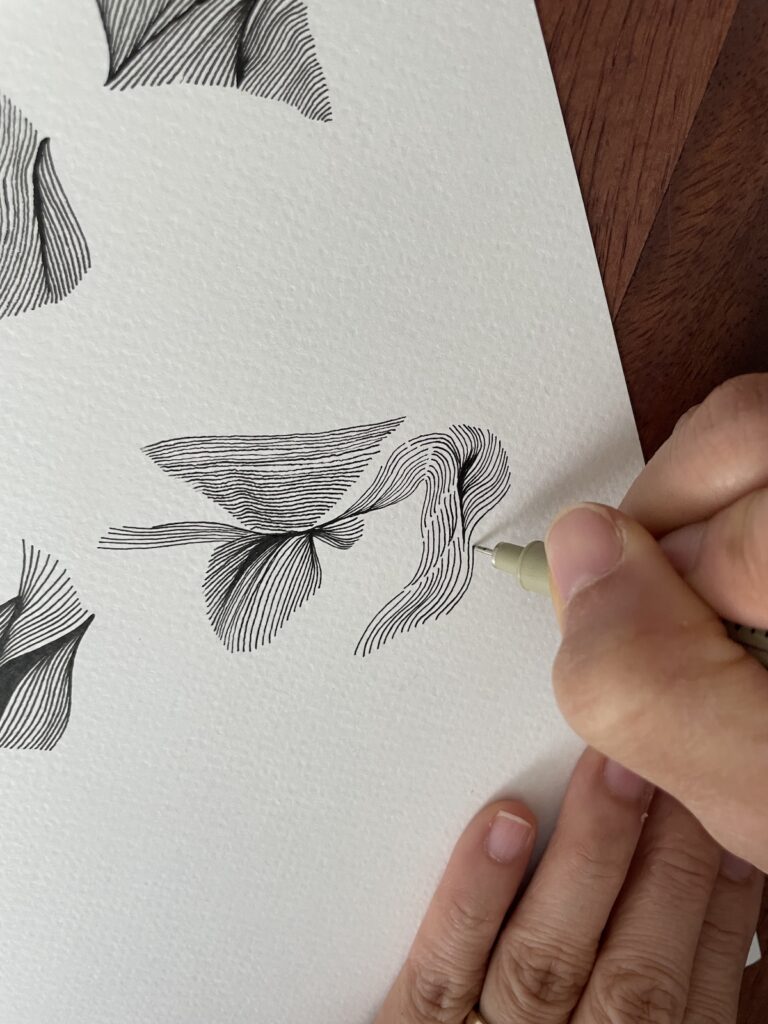
When Jean Oh teaches drawing, she brings years of looking closely at people, everyday life, and the unspoken language of the body. Her work moves from figurative paintings to large hanging textile pieces, continually finding new ways to turn what she observes into her own visual language.

Image Credits: All photographs are owned by DoBeDoUs unless otherwise noted. Images of individual artworks are owned by the respective teaching artists.