By Misook Ji
When I knew I needed a sabbatical
For years, I worked as a design leader in the design and tech industry. I was used to change, and for most of my career, I was energized by it. Technology changes quickly. New tools appear. The way we work keeps shifting.
I liked solving complex problems. I was proud of turning the uncertainty that comes with change into useful tools, and designing them in a way that felt intuitive to people.
But during my last role, something inside me started to change.
The company was going through a difficult merger, which is not unusual in our industry, but the direction kept shifting. New executives came in, people were laid off, and priorities changed. The strategies my team had carefully built no longer seemed to matter in the same way.
During the transition, I knew senior executives were often dealing with pressures that were not always visible to everyone else. So I tried to keep going and stay flexible.
But I also started to feel a distance from the work that I had never felt before.
I was still working hard, and I still cared about doing good work. But the part of me that used to feel deeply passionate about it was becoming tired. Looking back, I think it was also connected to the accumulated exhaustion from the pandemic period, when I had tried to keep my team supported and connected while the world was falling into uncertainty.
At some point, I noticed that I was no longer excited to explain why product design mattered or why long-term strategy mattered. I was not against change. I actually believe change is necessary. But change without a clear strategy can drain away people’s sense of purpose. That was what happened to me.
When it was my time to be laid off, I was a bit surprised. But I also felt relieved.
That relief told me I needed more than a new job. I needed time to understand how a passionate person like me had lost inspiration. I needed to step away from the pressure to keep adapting, keep proving myself, and keep caring about things that were no longer within my control.
So I decided to take a sabbatical.

Returning to art and the creative community
At first, I thought of it as a pause before the next chapter. AI was already changing the technology and design industries very quickly, and I knew I would need to keep building new skills. In some ways, it reminded me of the beginning of my career, when computer graphics were starting to replace older ways of working. I was young then, and I knew how to use the tools, but I did not yet understand the craft.
It took me years to understand that design was not only about tools or speed. It was about seeing, thinking, communicating complex ideas, and understanding how people respond to what they see and use.
But before rushing into the next thing, I decided to take care of myself first. So I returned to art and creative writing.
For about nine months, I built a simple routine. In the morning, I meditated, read art and culture articles and books, and went to the gym. Then I went to a local ceramics studio where I had been a member for years, but could not visit often when I was working full-time.
At first, I knew I was out of practice. So I made a simple rule for myself. I did not need to make a masterpiece or prove anything. I just needed to show up and make things. That rule helped me more than I expected.
Some days, I brought lunch with me because I did not want to stop what I was making. I did the same thing with writing. Instead of trying to write something perfect, I wrote different pieces so that I could connect them later.
When I was younger and working as an artist, I often felt internal pressure to have a strong concept or a clear direction. During this sabbatical, I gave myself permission to treat art as a daily creative practice. I explored techniques. I made imperfect objects. I followed small ideas. I let one thing lead to another.
Slowly, my creative life came back.
I began to feel creative every day. I had new ideas to explore. I felt healthier.
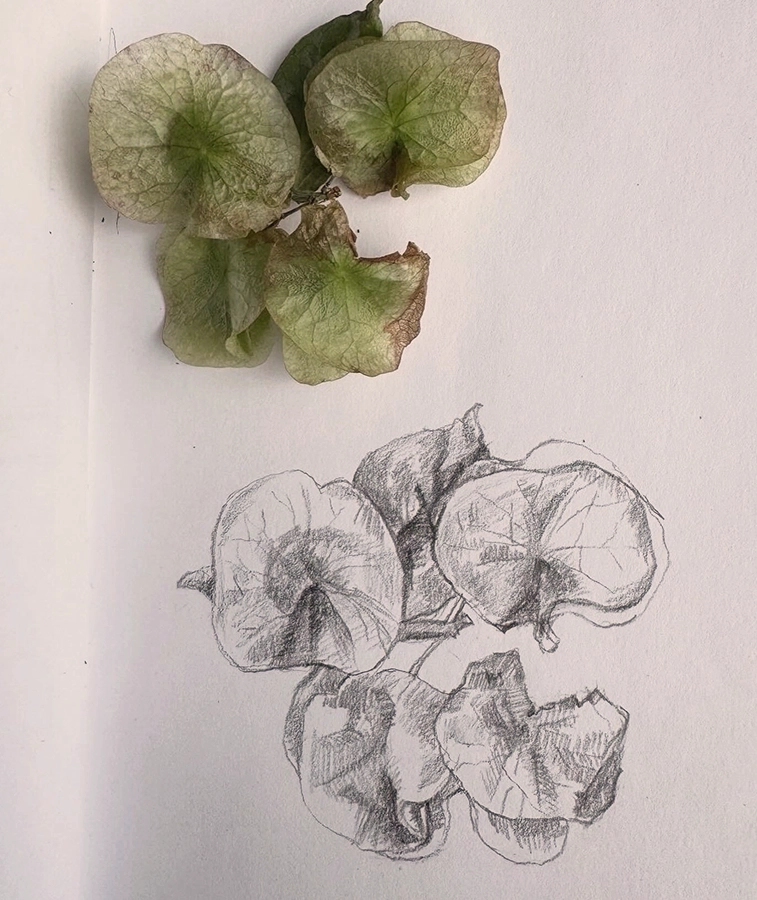
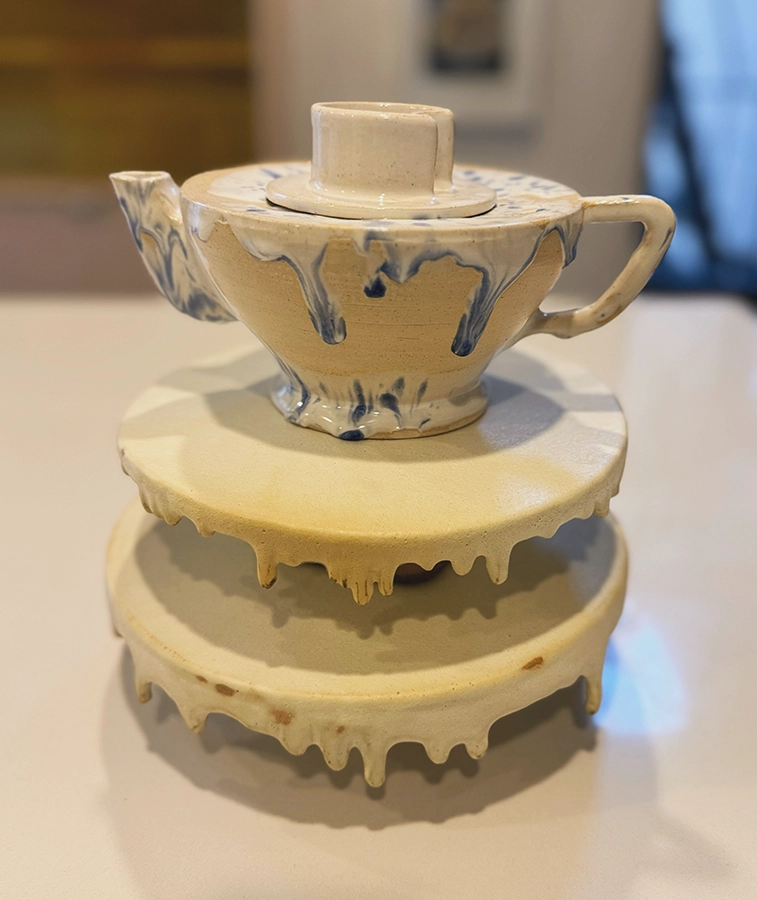
I also knew I was lucky to have that time. Not everyone can take a long sabbatical. Not everyone can go to a studio every day. But that made me think more about access. What if more people had an easier way to enter a creative space, even for one evening or one class? What if the beginning did not feel so intimidating?
During this time, I also reconnected with graduate school friends who are active artists, and I met many local artists and makers. Suddenly, I realized how much I had missed being around creative people.
For over a decade, most of my daily life had been spent with people solving business problems, building product strategies, working across teams, and trying to help companies grow, adapt to new things, or overcome challenges. I learned a lot from that world. It gave me many ways to look at problems and connect ideas.
But I had forgotten how it felt to be around artists. It felt like going back to my native home.
I understood them in a way that felt very close to my body. I understood how they talked about materials, process, doubt, money, teaching, and the need to keep making. I understood the persistence it takes to continue a creative practice, especially when life and money keep pulling you in other directions.
My heart opened again. I felt like I had returned to a part of myself I had buried for a long time while building a demanding career and raising a child.
What I learned about creative learning
One morning, I asked myself a very direct question. Why am I trying so hard to go back to work that no longer feels connected to my heart?
That question became the beginning of DoBeDoUs.
I decided to build a business rooted in the creative community I care about. I wanted to use my experience in product, design, marketplaces, and problem-solving, but apply it to something closer to my heart as an artist and creative person.
So I started with research. I spoke with learners, artists, makers, and local studios. I looked at existing class and experience platforms. I thought about what felt useful, what felt missing, and what kind of marketplace could support creative learning rooted in the creative community.
At the same time, I kept thinking about why art matters so much to me. Art is not only about making beautiful things or learning a technique. For a long time, artists have used art to understand life, ourselves, and our place in the world. Religion and science also search for a deeper understanding of our existence. Art does this too, but in a different language.
That is why I wanted DoBeDoUs to be more than a place to find a fun class. I wanted it to make the first step into creative practice easier, while still respecting the depth, curiosity, and human need behind making things.
One thing became clear to me. Many artists and makers already teach. They teach in schools, universities, local studios, community spaces, and workshops. Many of them love teaching. They care about helping people learn. But teaching is often not financially stable, especially for artists who are also trying to protect time for their own practice.
At the same time, many adults want to try creative classes, but they do not always know where to begin. Some feel intimidated. Some worry they are not talented. Some do not know how to tell if a class will be well taught. Some have taken fun classes before, but did not feel inspired to continue because they did not learn much or understand the deeper context behind the practice.
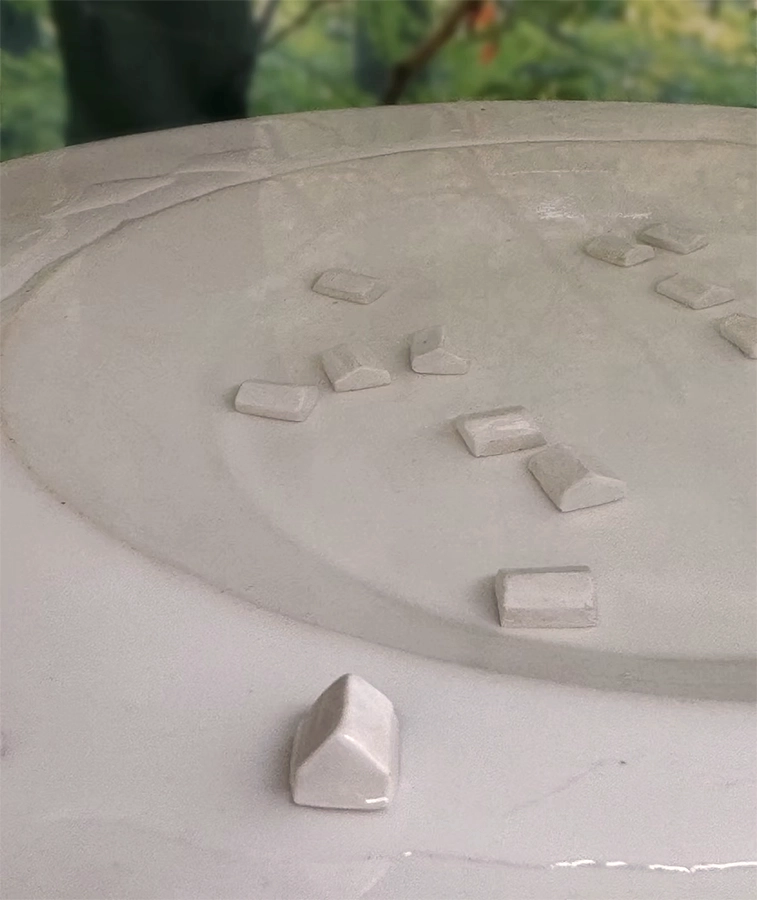
I began to see a gap.
Adult art classes in NYC should be fun, especially for beginners. Joy matters. A first class should feel welcoming, not so serious that people feel they do not belong. But I also believe a creative class can offer more than entertainment.
When you learn from a practicing artist, maker, writer, or musician, you are not only learning a technique. You are stepping into someone’s way of seeing. A good teacher can show you how to use your hands, but they can also give you context, help you notice things you did not notice before, and offer a glimpse of what a creative life can look like.
That is what makes artist-led learning feel different.
A beginner may come in thinking, “I just want to try watercolor painting,” or “I just want to make something with my friend.” That is a wonderful reason to begin. But with the right teacher, that first class can also open a door. You may learn a material. You may feel a different part of your brain wake up. You may become curious to learn more. You may start to imagine creativity as part of your life, even if you never thought that was possible before.
I saw this happen in a ceramics studio.
I watched people walk in feeling nervous, unsure if they belonged in a creative space. Some were intimidated by the tools, the clay, or the people around them. Some clearly believed they were not “artistic.” But after a few classes, they became more comfortable. They started asking better questions. They developed skills. They joined the studio. They kept making.
Sometimes, years later, I would even get invited to their exhibitions.
That changed the way I thought about beginners. I used to think art was mostly for people who were already talented or deeply committed. But watching people grow taught me something else.
It also made me think about artists like Grace Hartigan, who did not come into art through a perfectly traditional path. She kept learning, looking, and building her own language across abstraction, figuration, and poetry. To me, her life shows that art can be a way to explore the world, understand yourself, and connect to others.
Creativity is not reserved for a special group of people. It can begin quietly. It can begin awkwardly. It can begin with one class. And if people keep going, it can become part of who they are.
That is one reason DoBeDoUs focuses on beginner-friendly creative classes without dumbing down the craft. I do not want beginners to feel excluded. I also do not want artists and makers to feel that their work has to be simplified into a shallow experience. The first step should feel easier, but the craft should still be respected.

Supporting Artists and Creative Life in New York City
I also started DoBeDoUs because I care about the sustainability of creative life in New York City.
I have known talented artists who eventually stopped making work or left the city because the financial pressure became too heavy. Even showing in respected galleries does not guarantee stability. Many artists teach, freelance, take contract work, or piece together income in many different ways.
As a New Yorker, I deeply care about this issue. New York cannot be New York without artists, makers, musicians, writers, designers, performers, and creative people of all kinds. The city’s energy comes from them. Its neighborhoods, studios, galleries, workshops, performances, and small creative spaces are part of what makes this place alive.
If artists cannot afford to stay, New York loses part of what makes the city so vibrant, creative, and exciting.
This is not a small problem, and I know DoBeDoUs cannot solve it alone. But I also know where I can start.
Start small, build something useful, learn from artists, makers, studios, and learners, and keep improving.
For the first version of DoBeDoUs, that means building a curated creative learning marketplace where artists, makers, and local studios can list classes, reach new learners, and present their work with care.
For learners, it means making creative classes easier to find, easier to understand, and easier to try.
For providers, it means creating a place that respects their work, supports their teaching with sustainable earnings, and helps them reach people who want to explore their creativity.
Taking a class will not solve every problem facing artists in New York. But it is one real way to participate in the creative life of the city. It is a way to learn from artists directly, support their teaching, and spend your time in a way that connects you to people, materials, and meanings.
That is why DoBeDoUs was born.
Small Ways to Begin a Creative Life

Carry a Sketchbook
Bring a small sketchbook and pencil with you. Draw something you notice, record an idea, or use the page to untangle something happening in your head. Your drawings can be cartoonish or made with simple stick figures. You can also explore the different lines a pencil makes when you change the pressure.
The goal is not to make a finished drawing. It is to notice what catches your attention and give yourself a place to explore it.

Reserve Time to Create
Set aside a little time each week for a creative activity, and treat it as a practice rather than a project that needs to turn out perfectly.
Choose a medium that feels easy to begin with. You might write a short poem, doodle with colored pencils, explore shapes and colors with pastels, or simply make marks on paper. Pay attention to which materials help you feel curious or expressive.
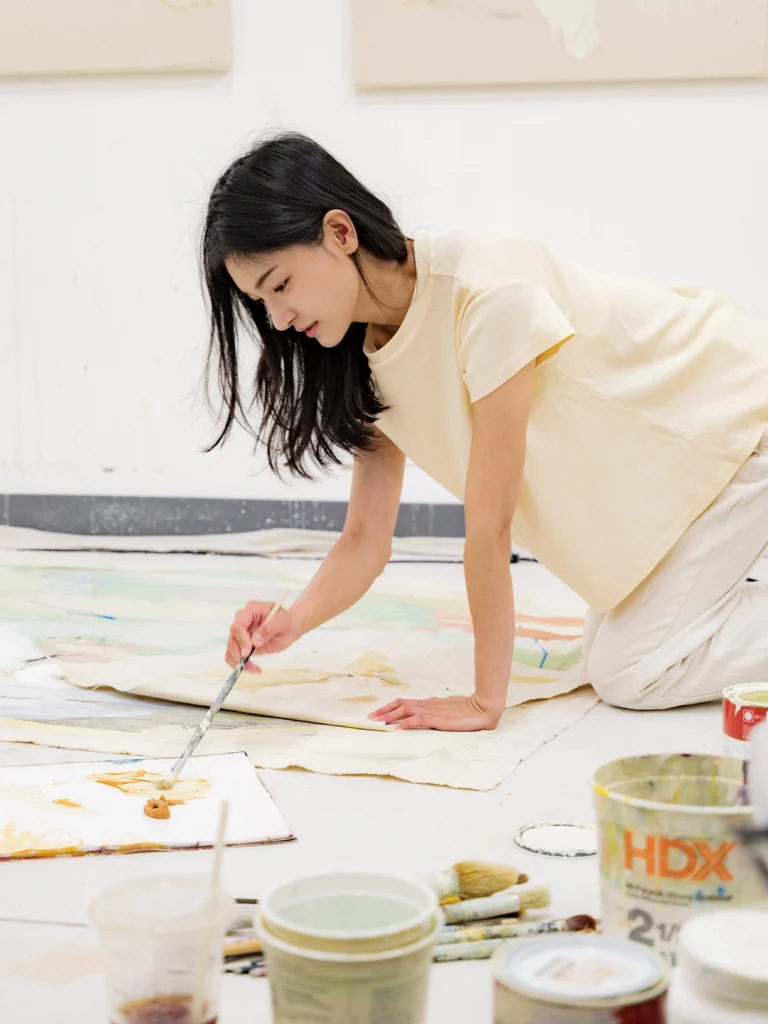
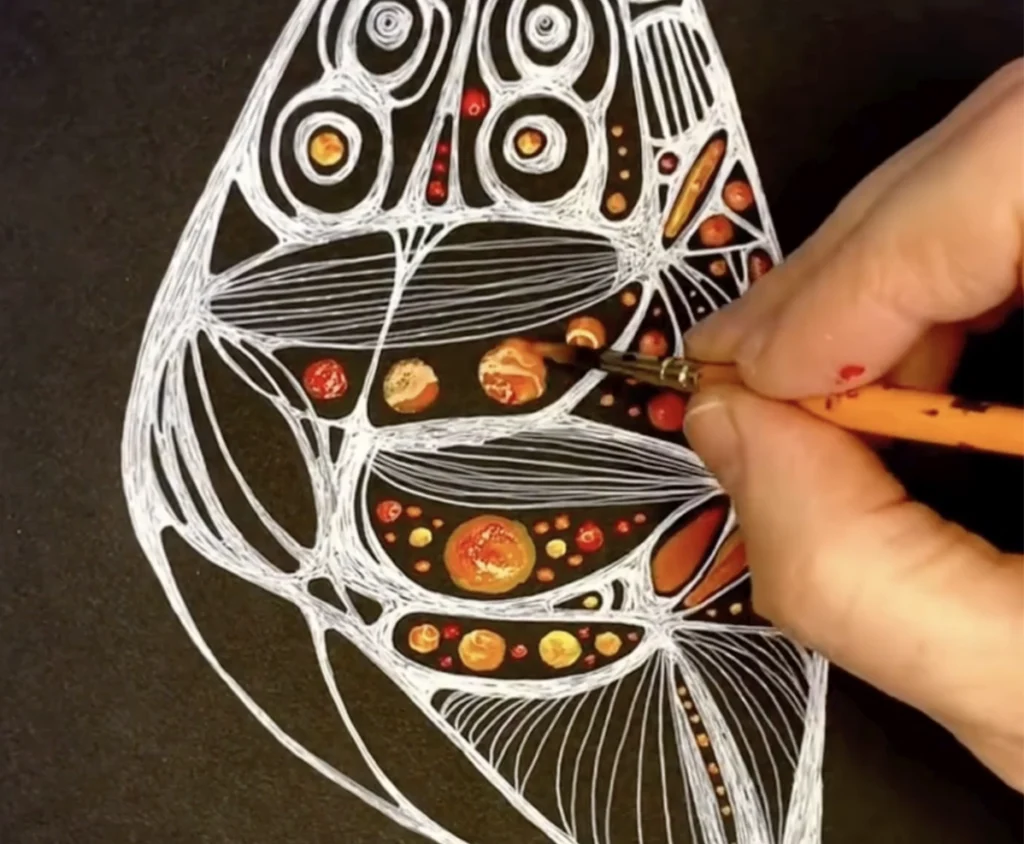
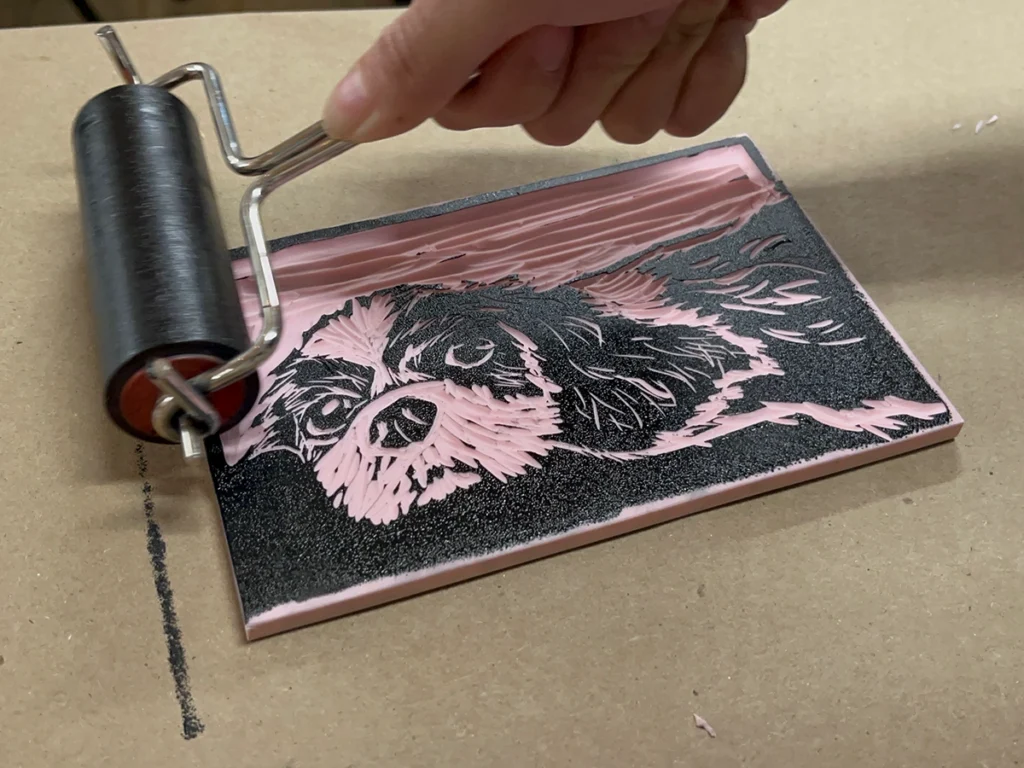
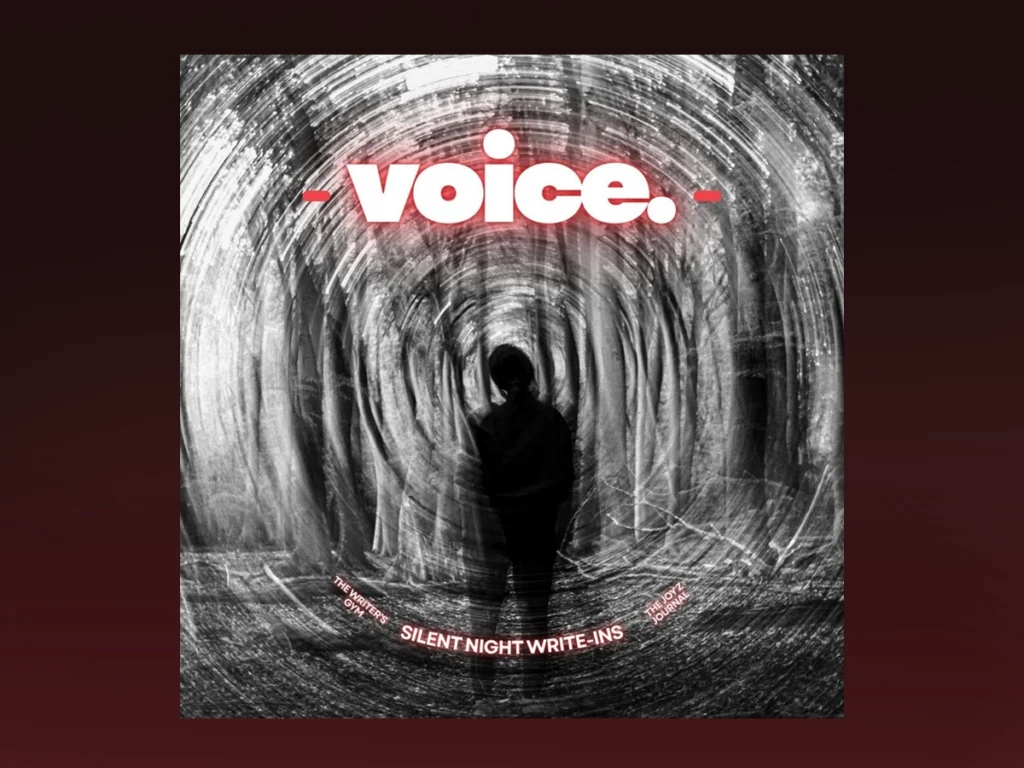
When you find something you want to explore further, look for a class that gives you room to experiment while also teaching you the foundations. You might begin with an introductory class designed for beginners, such as Drawing Without Fear, Intuitive Painting Workshop, Lino Block Printmaking, or Silent Night Write-Ins and gradually become more comfortable with the medium.

Spend Time Around Art and Artists
Seeing art can also become part of your creative routine. Use a gallery guide such as See Saw to find exhibitions, and visit galleries alone or with friends. Look for open-studio events where you can meet artists, see where they work, and spend time around other people who are curious about creative life.
The more art you see, the more you begin to notice. New materials, ideas, and ways of working can make you curious, and that curiosity may lead you back to your own creative practice.
You do not need to be an artist to begin. You do not need to be naturally talented. You do not need to know where it will lead. You can begin with one class, one teacher, one material, one evening. And maybe, over time, that one small step becomes part of a larger creative life, and a life well lived.
– Misook Ji, Founder of DoBeDoUs
Credits & Notes: Unless otherwise noted, photographs and artwork featured in this article are © DoBeDoUs. The photograph of the woman drawing outdoors is a stock image licensed for commercial use.