By Misook Ji
Making Room for Deeper Thinking
Our work and daily lives demand constant attention. We switch between responsibilities, make quick decisions, solve problems, and adapt to new technologies and expectations. We’re getting better at managing multiple things at once, but I wonder what we’re losing in the process.
With so much context switching, our minds are becoming increasingly scattered. Even when we’re getting things done, we may have less room to think deeply, reflect on what matters to us, or imagine something beyond our immediate responsibilities.
We make time to go to the gym and take care of our bodies. But what do we do to take care of our increasingly fragmented minds?
Research suggests that frequent task switching can divide our attention, while constant time pressure can limit opportunities for deeper, creative thinking*.
I believe making art offers one way to give ourselves the space we need. And you don’t need to be an artist to experience it.
Doing art allowed me to put things into perspective.
— A study participant, Reduction of Cortisol Levels and Participants’ Responses Following Art Making, published in Art Therapy: Journal of the American Art Therapy Association (2016).**

What Making Art Can Offer Our Busy Minds

Rediscover the Pleasure of Deep Focus
When we constantly switch between tasks, part of our attention can remain on what we were doing before. Researchers call this attention residue, which can make it harder to concentrate on what’s next.
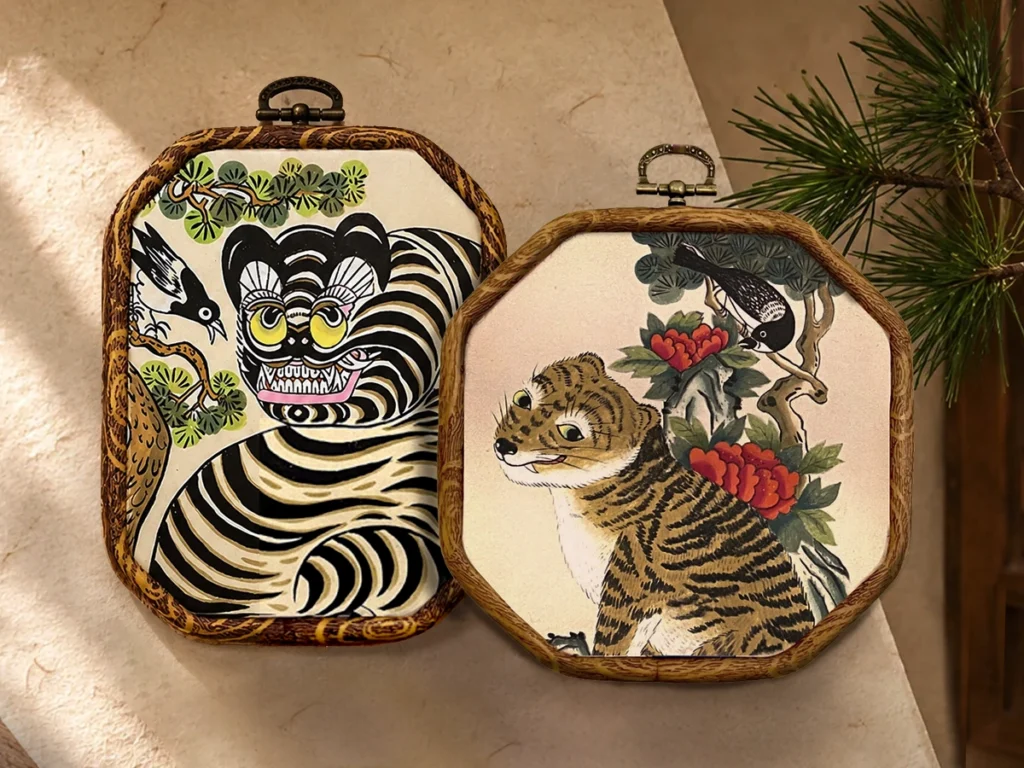
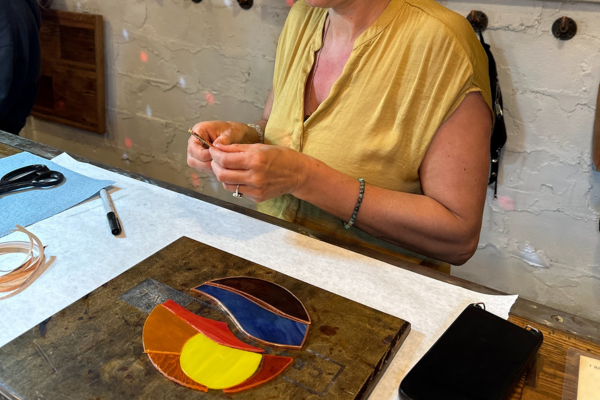
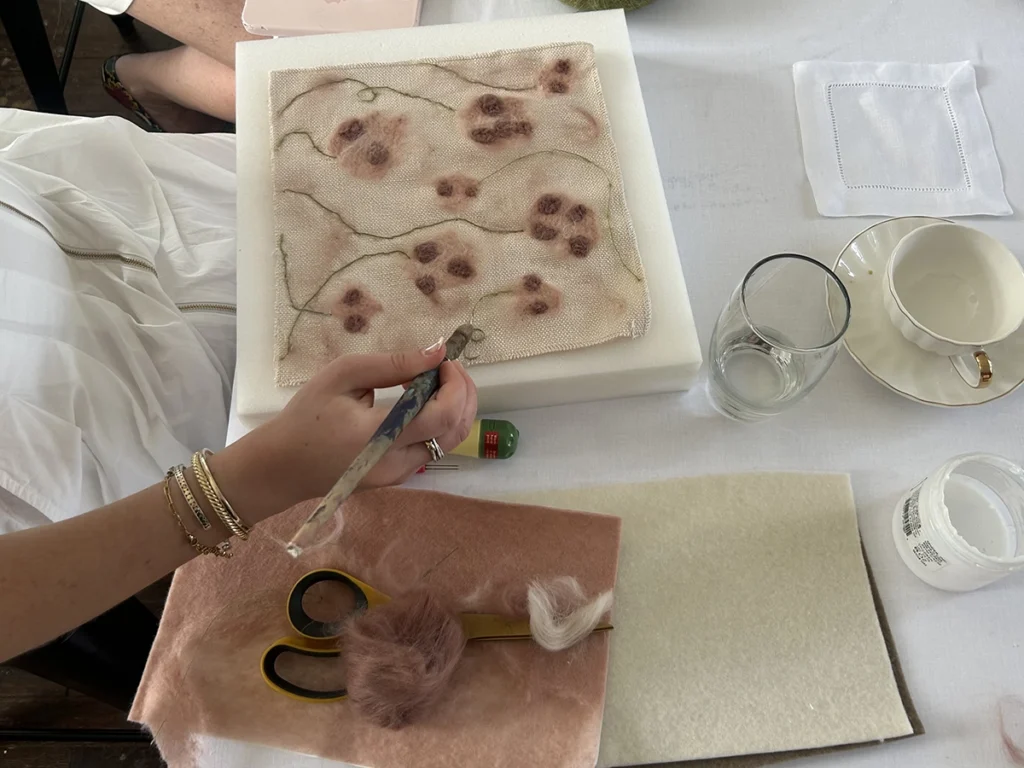
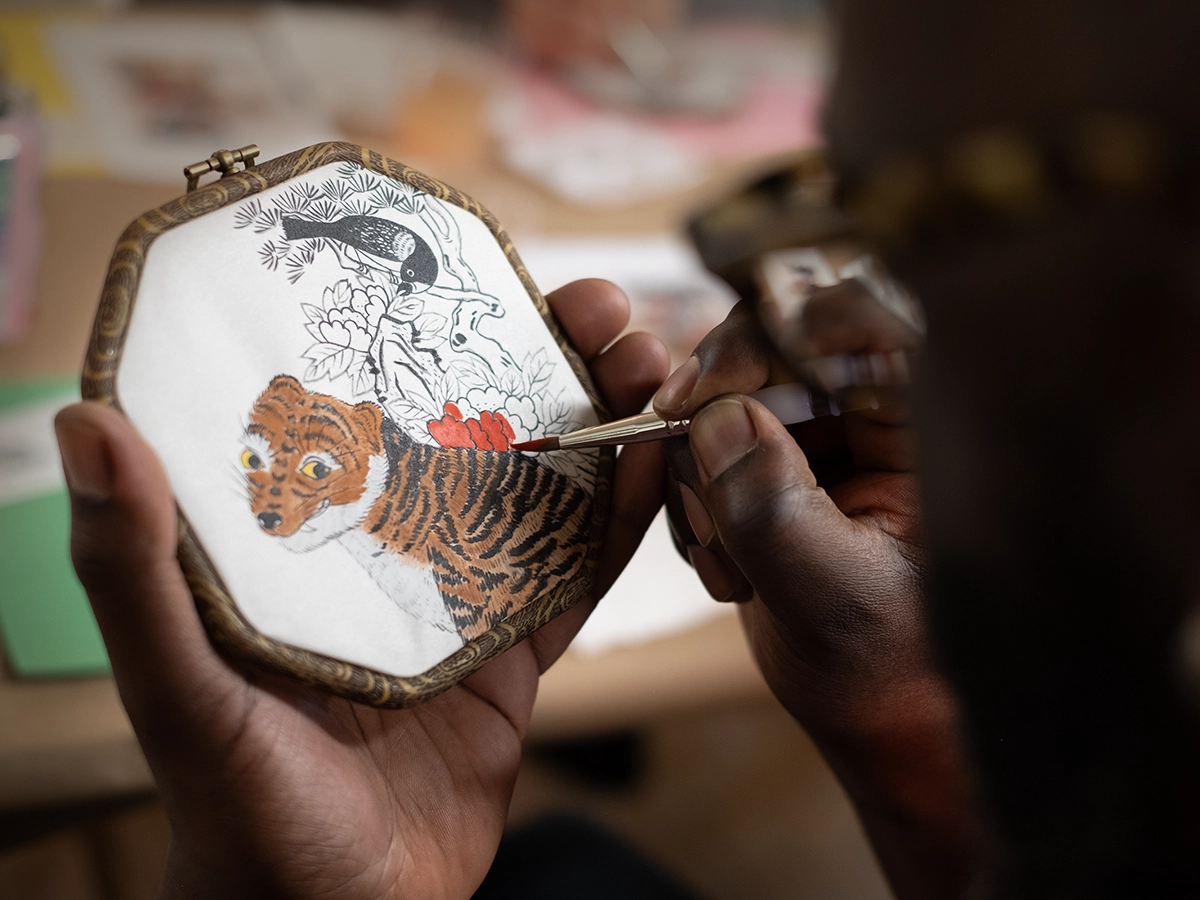
Working with your hands offers a different experience. Whether you’re painting Korean folk art, creating stained glass piece, or making a wool art, you’re observing, experimenting, and responding to what’s in front of you.
For a few hours, you can become fully absorbed in one thing. It’s not always easy or relaxing, but the challenge itself can be part of the pleasure.
The Freedom to Explore Without an Expected Outcome
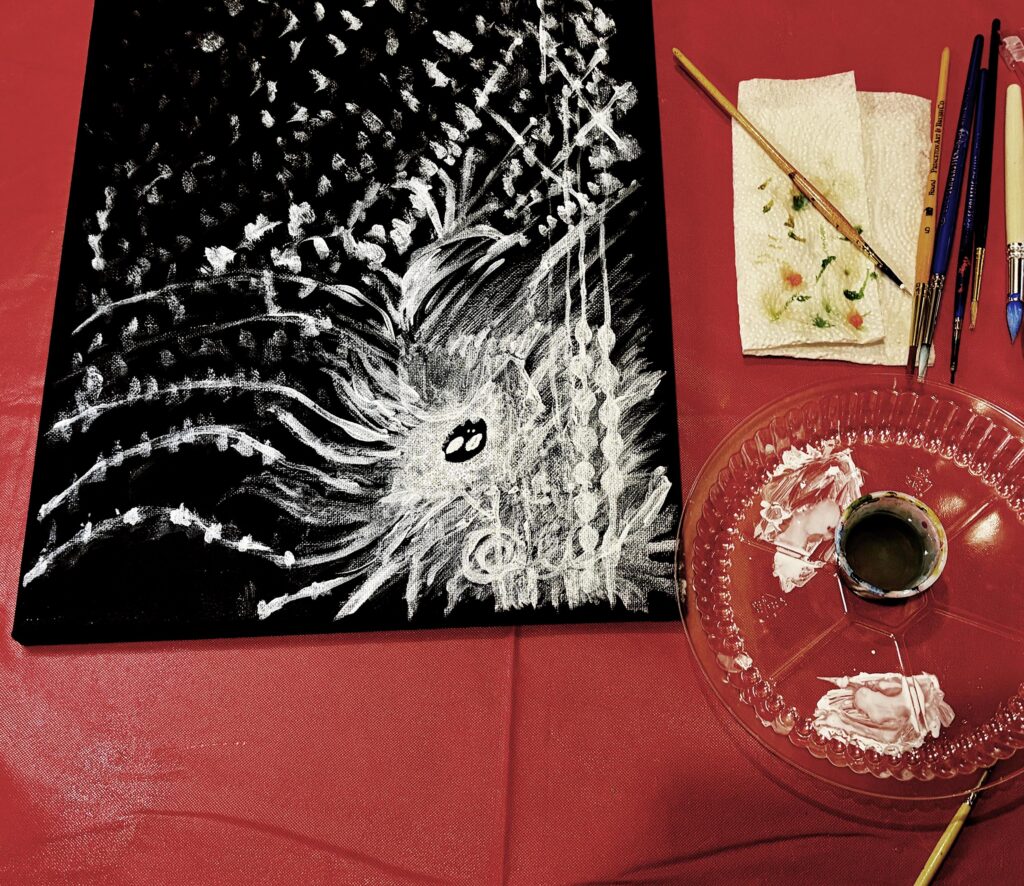
Much of our time is spent meeting expectations, solving problems, and working toward specific results. But we also need room to explore without knowing exactly where things will lead.
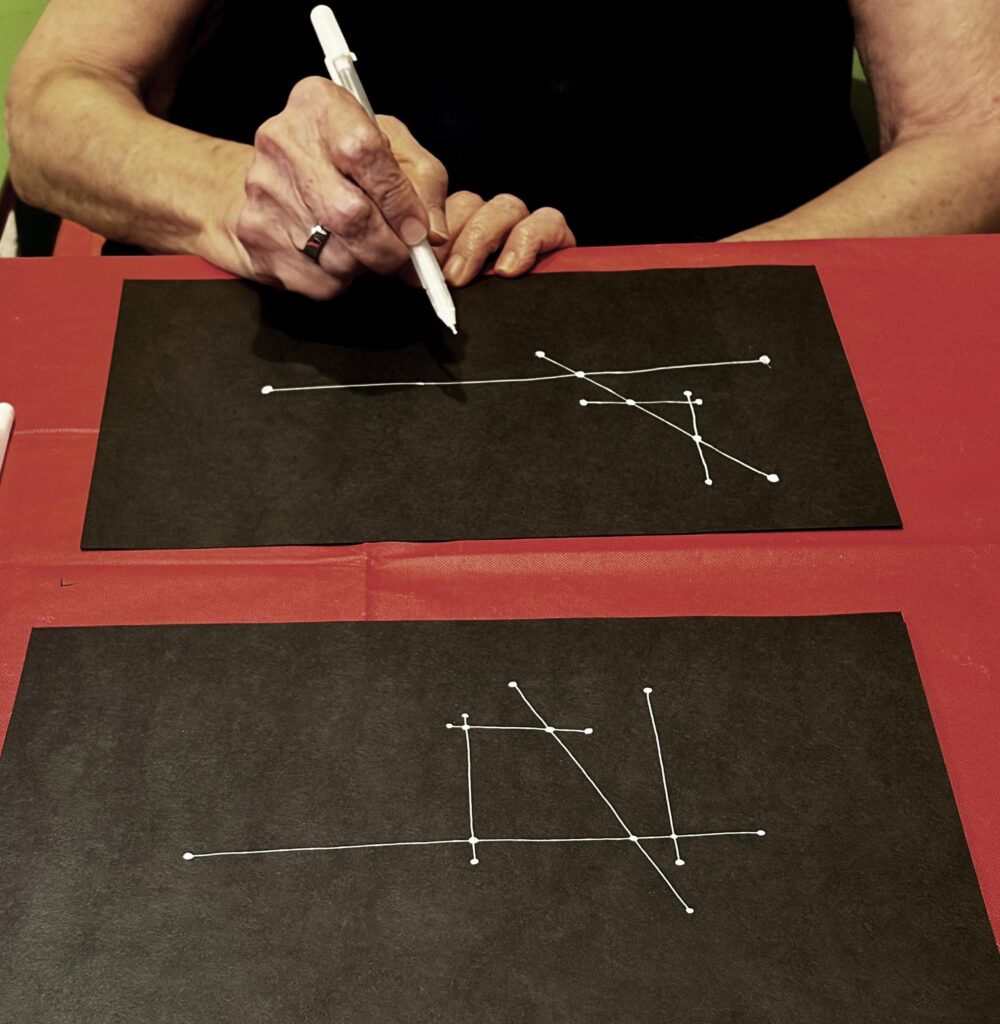
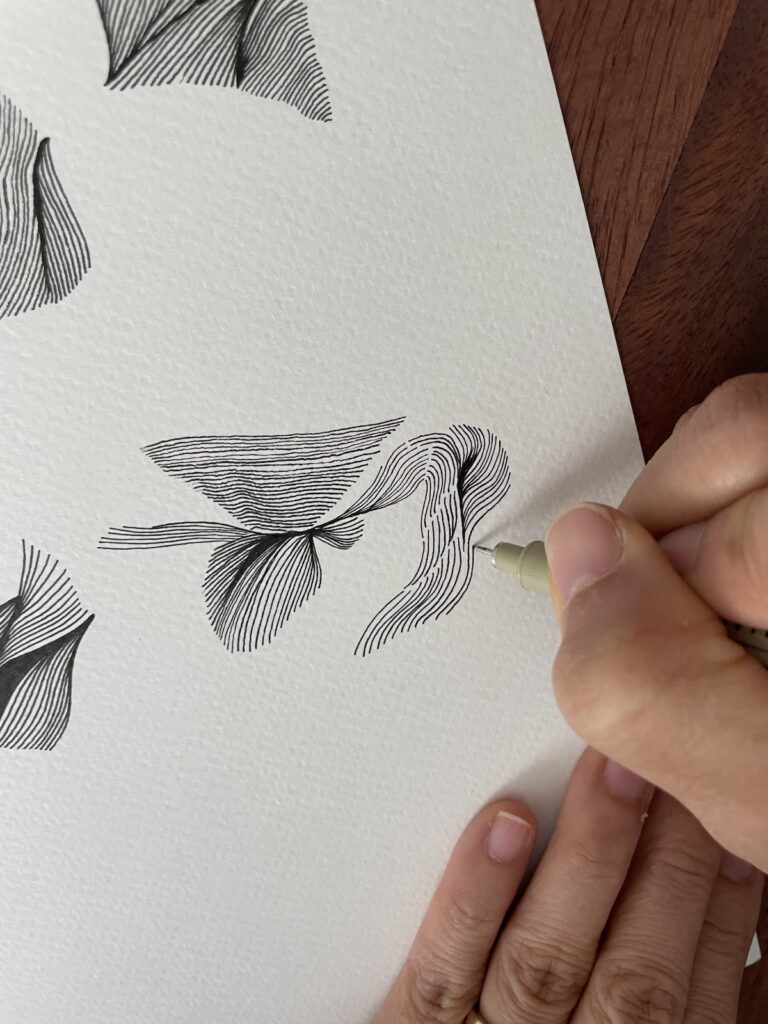
Classes like Drawing Meditation, Intuitive Painting, and Suminagashi Japanese Ink Marbling encourage you to follow the process rather than plan the final result. You might repeat simple lines, paint intuitively, or watch ink form unexpected patterns on water.
Not everything needs to be productive or perfect. Sometimes, the freedom to experiment is rewarding enough.
Recharge Your Mind Through a New Kind of Challenge
When we’re mentally tired, we often think we need to stop doing things. But sometimes, doing something completely different can be just as refreshing.
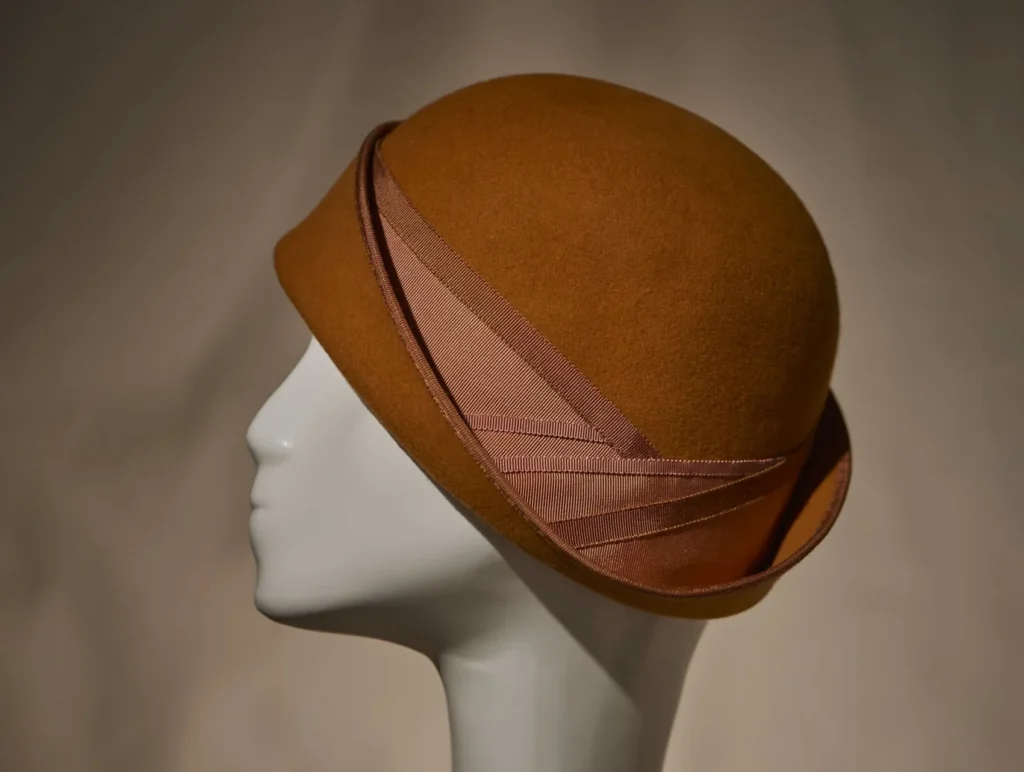
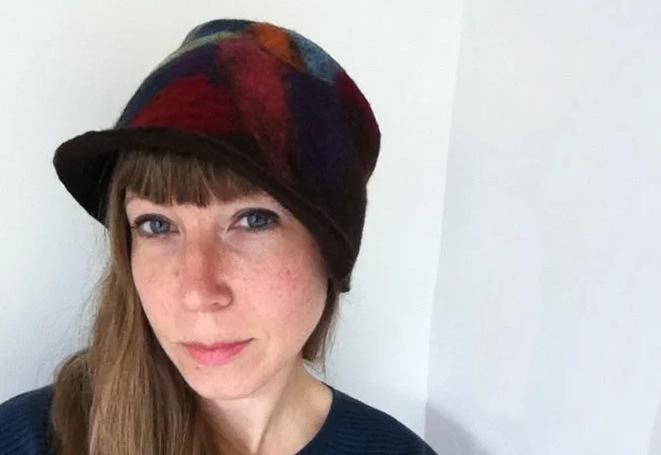
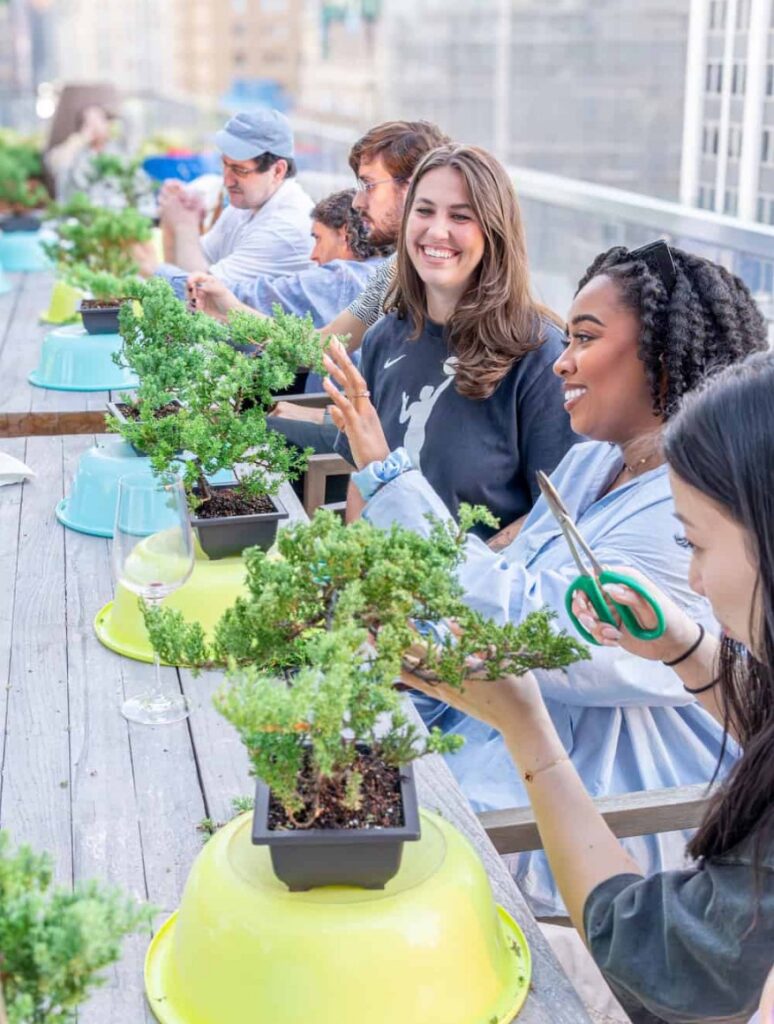
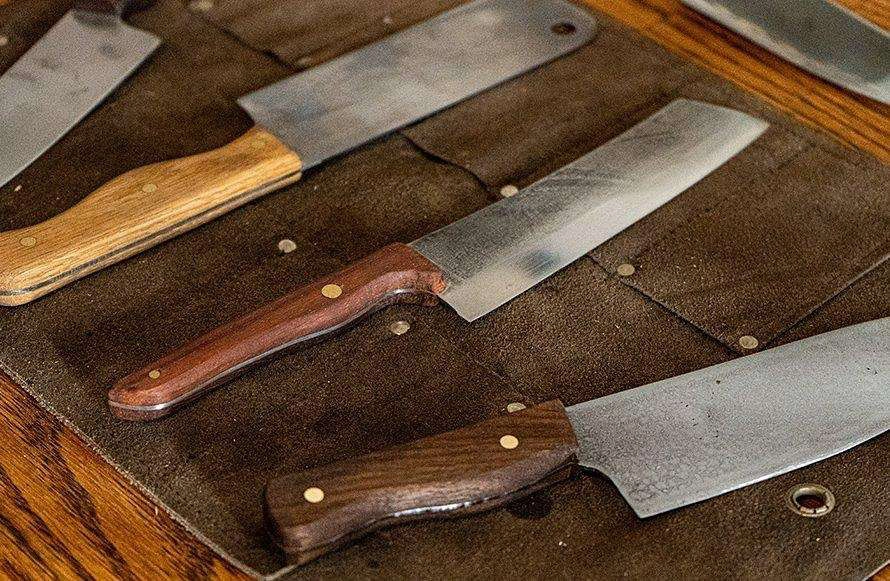
Making a chef’s knife, shaping a bonsai tree, or creating a felt hat takes concentration and effort. Yet it’s a different kind of effort from our daily responsibilities.
You’re learning because you’re curious, not because there’s another deadline. And there’s satisfaction in seeing something take shape through your own hands.
Finding Balance Through Creativity
In a world where we’re constantly switching between responsibilities, finding balance isn’t always about doing less. It’s also about making room for experiences that engage our minds in a different way.
Whether we’re concentrating deeply, exploring without a specific outcome, or challenging ourselves with something new, creative activities offer a chance to step outside our usual demands.
We don’t need to turn every interest into another goal to achieve. Sometimes, giving ourselves time to create, experiment, and enjoy the process is valuable enough.
Research References:
*Leroy, S. (2009). Why Is It So Hard to Do My Work? Organizational Behavior and Human Decision Processes.
*Amabile, T. M., Hadley, C. N., & Kramer, S. J. (2002). Creativity Under the Gun. Harvard Business Review.
**Kaimal, G., Ray, K., & Muniz, J. (2016).
Reduction of Cortisol Levels and Participants’ Responses Following Art Making.
Art Therapy: Journal of the American Art Therapy Association, 33(2), 74–80.