By Bo Lee
Losing Touch With Creativity
When I was a child in Korea, my sister and I had the most fun drawing on the walls of our house. We had no sketchbooks and discovered that walls made better canvases than paper. Though we were scolded constantly, we drew on almost every wall in the house. Eventually, our parents gave up trying to stop us since we would be moving soon.
Years later, I had forgotten that child entirely. I was a horse with blinders on. I was running full speed toward the next goal, the next project, the next version of “there.” I was always moving forward. I was also completely unaware of where I was actually going or why I was running so hard in the first place. For a long time, this felt normal. It felt productive and ambitious.
Then I burned out. I was a senior architect at a high-end boutique firm in New York City. The work was intense. The office culture was ungenerous. My kids were two and four years old, and I had nothing left for them at the end of the day. I was miserable and exhausted in a way that sleep could not fix. So I hired a career coach. My plan was simple: she would fix me quickly, I would get back on track, and I could resume running. Luckily, that did not happen.
Instead, she walked me through a series of quiet exercises, and what surfaced was a memory. I remembered that child in Korea, drawing on walls, having the most fun of her life. She traded cartoon sketches with her friends. She shaded comic book pages, erased them, and shaded them again, over and over, until the pages wore through.
I realized that I had abandoned the activity I used to love most. But how?
Looking back, I can trace the thread. In elementary and middle school, my teachers praised my artistic aptitude. But whenever they noted my creativity on my report card, I felt a small, quiet disappointment reading those words. Creativity did not feel like a compliment to me. The word I was actually looking for was “smart.” Watching the reactions of people around me, I could tell that smart meant getting somewhere. Smart meant math and science. Smart meant high test scores. So I left art behind and chased something smarter instead.
After immigrating to the US and finishing high school, I enrolled in college as an engineering student. One year of endless problem sets and lab reports taught me quickly that I was not an engineer. I transferred to architecture school because I felt that I did not have to choose. With architecture, I thought I could combine artistic instinct with intellectual rigor. For the next five years, I drew constantly. But every line had a purpose. Every drawing served a function. The free, uninhibited drawing of my childhood was no longer relevant. I graduated, moved to New York City in 1997, and threw myself fully into training as an architect. There were different firms and different project types. I worked on airport terminals, high-rise buildings, hotels, schools, and homes. I believed I was building toward something.
Until one day, I heard David Byrne singing in my head. “Well, how did I get here?”

Finding My Way Back to Drawing
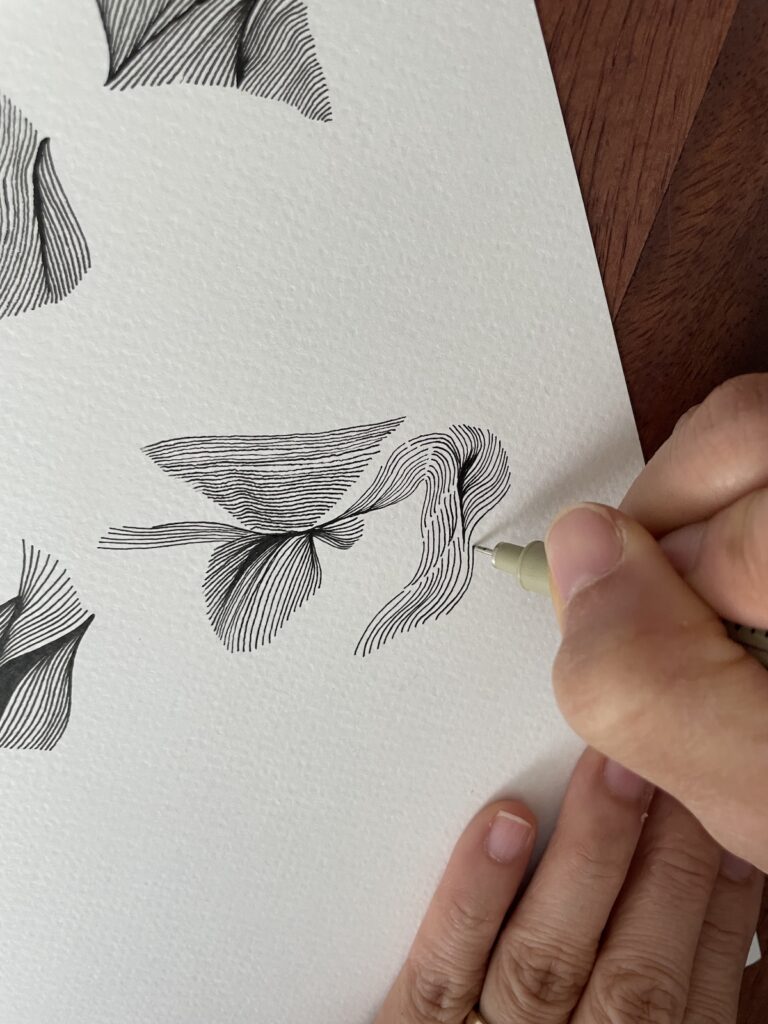
Again, the memory of that child drawing on the walls kept coming back to me. I decided to try drawing again, wanting to find my way back to her. I sat down with a blank page and quickly realized how far I had drifted. Drawing in college had felt purposeful. This was just me, alone with a page, and over thirty years of distance between me and anything that felt free.
So I decided to enroll in a workshop called Inking Comics, taught by a wonderful illustrator, Lauren Weinstein. I remember when I walked into that first class and immediately, embarrassingly, my old competitive instincts took over. I looked around the room and started measuring. Who was better? Could I be the best one in the room?
Lauren was skilled at encouraging her students to share their work openly. But as I looked at what my classmates were making, I stopped comparing. I started actually seeing. Each person brought something entirely their own to the table. I was reminded of what Steven Pressfield describes in The War of Art. Art is not hierarchical. It is territorial. Everyone is working in their own territory, and none of those territories overlap.
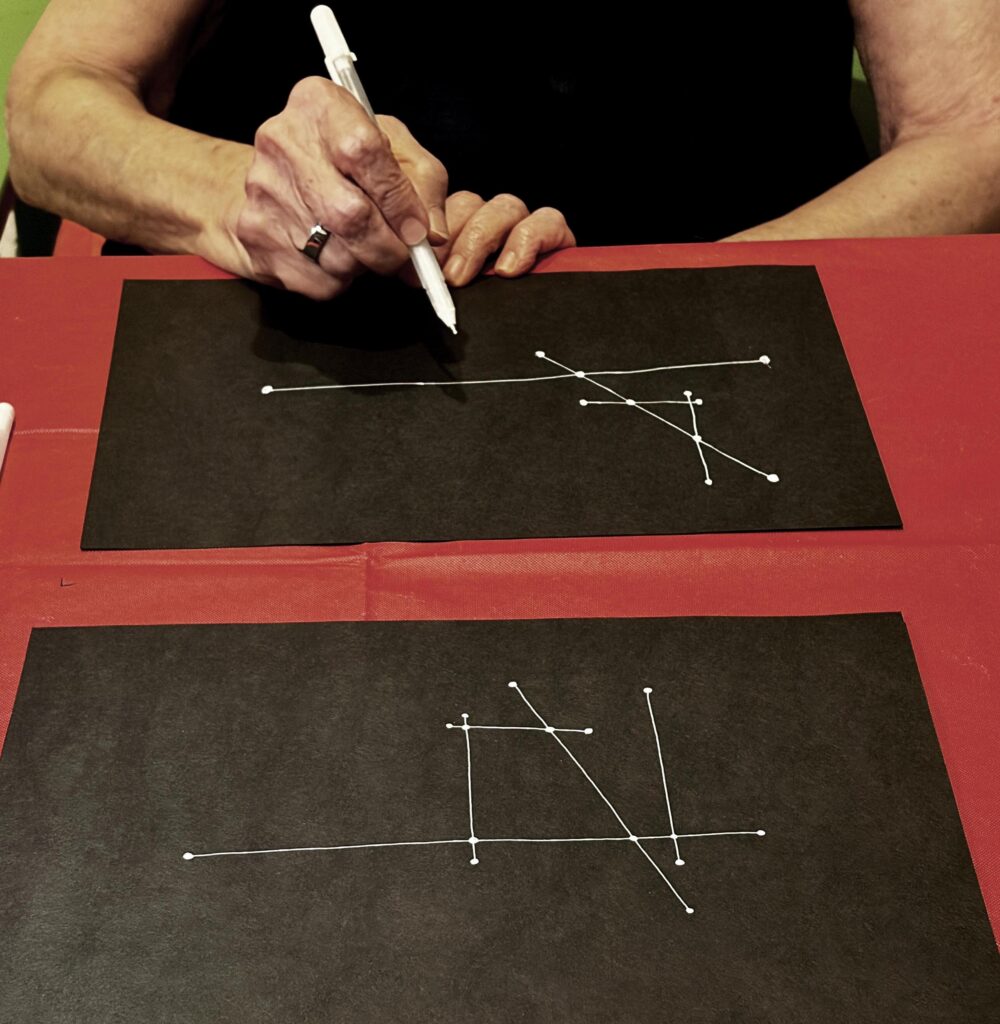
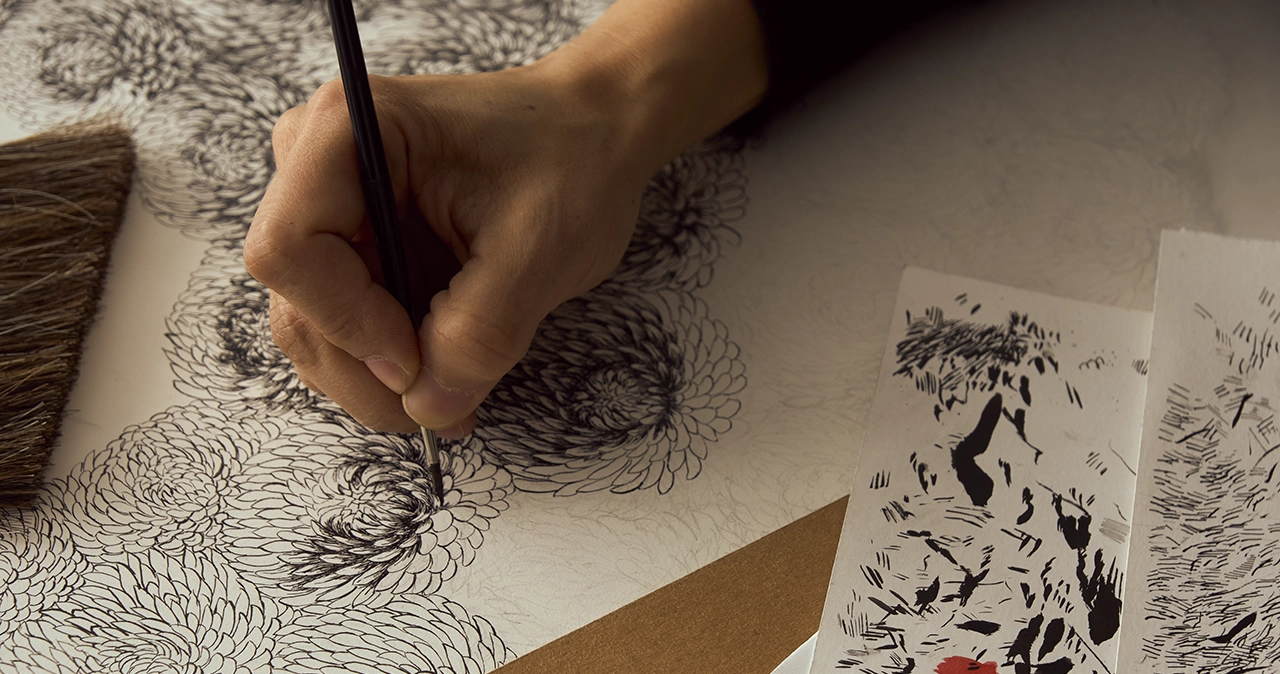
That class was the beginning. Since then, I have been drawing on my own. It has become my main creative outlet besides architecture. With the help of a teacher and other students, I was able to start a creative practice that connects me to something fundamental: the act of making things with my hands.
I am an architect. I make things, too, but each project takes a long time to complete. Drawing gives me something different.
I put a line down, and something comes alive right in front of me.
– Bo Lee, Author
Since that first drawing class, I have kept taking classes and workshops. Along the way, I found meditation and morning pages, daily practices that also help me step outside the narrow lane of daily tasks and obligations and into something wider. These practices help me enter a state of mind that is more open and expansive, one that is not connected to performance, productivity, or a final result.
For a long time, I was always running toward the next level, certain that arriving there would be the point. I understand now that the discovery of the next level is the point. Each small creative discovery is my mana. It nourishes me in a way that nothing else does. It is what keeps me connected to something larger than my daily work and obligations.

Making Creative Practice Part of Everyday Life
These days, we are asked to consume constantly. Watch this. Read this. Scroll to the next thing. We are globally connected, yet a lot of us feel lonely. And I think a lot of us are not spending enough time creating alongside others.
We have learned, as a culture, to take care of our bodies. We book yoga and fitness classes. We go to the gym. We run, stretch, and rest. We have accepted that physical practice is not a luxury. It is part of how we stay healthy. We have also learned to take care of our minds. Therapy and mindfulness have become part of how we stay well.
But there is one more dimension we have not yet fully named: our creative soul. There is a part of us that needs to create, not just consume. We may be starving it by not providing regular space to use our hands and minds creatively in a way that is not connected to output or obligation. That absence may have a cost that we do not fully recognize.
A creative practice is not a hobby. It is a form of wellness. It is how we stay open, curious, and fully human in a world that keeps asking us to be more productive, more efficient, and more optimized.
When Misook shared her vision for DoBeDoUs, I saw the power in it immediately. Not just a place to find a fun class, but a catalyst for a different way of thinking about how we spend our time. A place where taking a ceramics class on a Thursday evening is as natural as booking a yoga class on a Saturday morning. Where the act of making something belongs in an ordinary week, not just on special occasions.
Starting a creative practice on your own may be harder than it sounds. I know because I tried it. It was a blank page with no guide and no one in the room creating things alongside you. That changes when you have a teacher and like-minded people who are also just beginning. It gives you structure and a reason to show up. The commitment does not have to be large. You could try a class with a friend or a creative evening instead of dinner out. There is something freeing about walking into a room as a beginner. You have no history and no expectations. Just your hands and the work in front of you.
My creative practice started with the drawing workshop I took. It helped me find my way back to something I had quietly abandoned for years. Yours could start the same way mine did, with one class, a teacher, and a room full of beginners.
How to Start Your Own Creative Practice
A creative practice does not have to follow a plan. It can grow through curiosity, repetition, and making space for experiences that keep you interested.

Explore by following your interests
You do not need to choose one medium and stick with it. Pay attention to what catches your attention and let that lead you somewhere new.
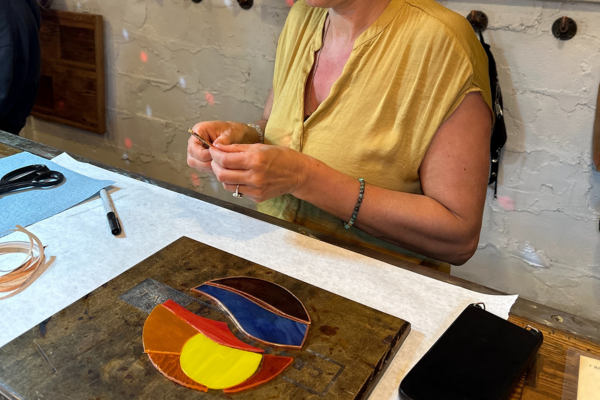
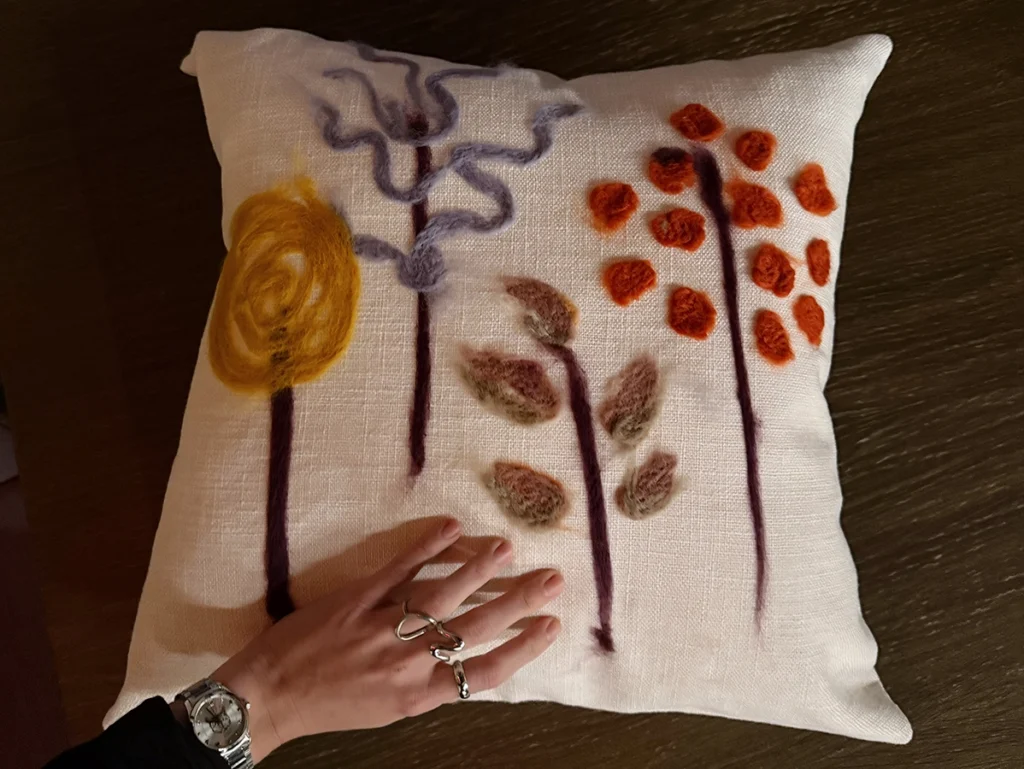
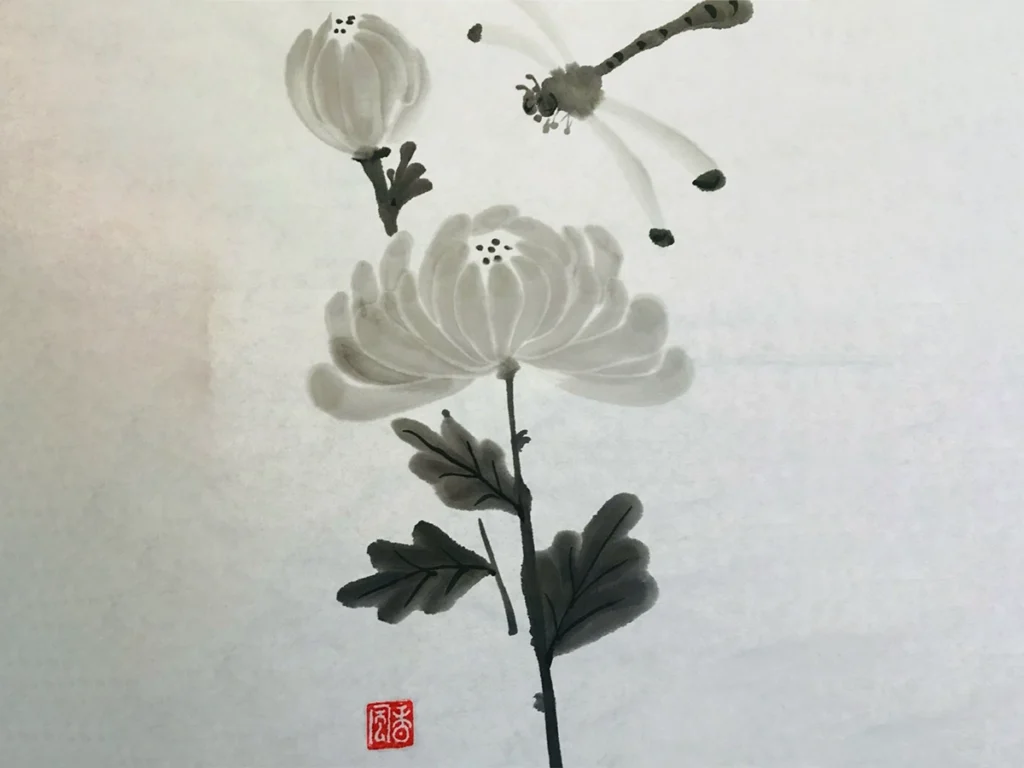
You might move from drawing to sumi-e ink painting, textiles, stained glass, writing, or something completely unfamiliar. Trying a new material or technique can open up a different way of thinking and making.
The path does not need to be planned in advance. Keep following what makes you curious enough to explore further.

Try something outside what you already know
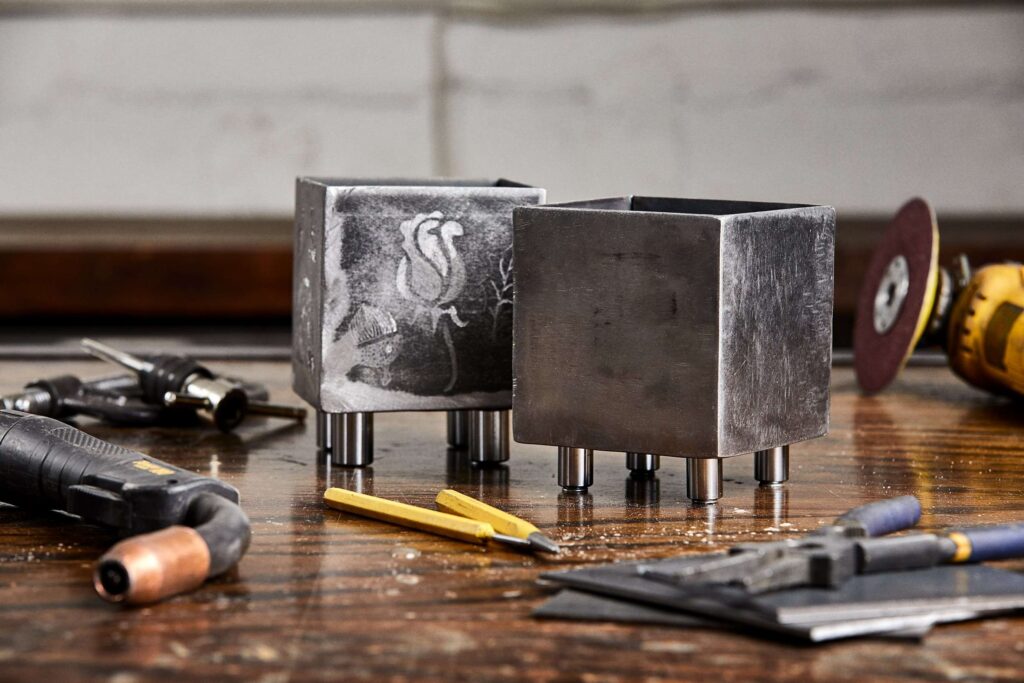
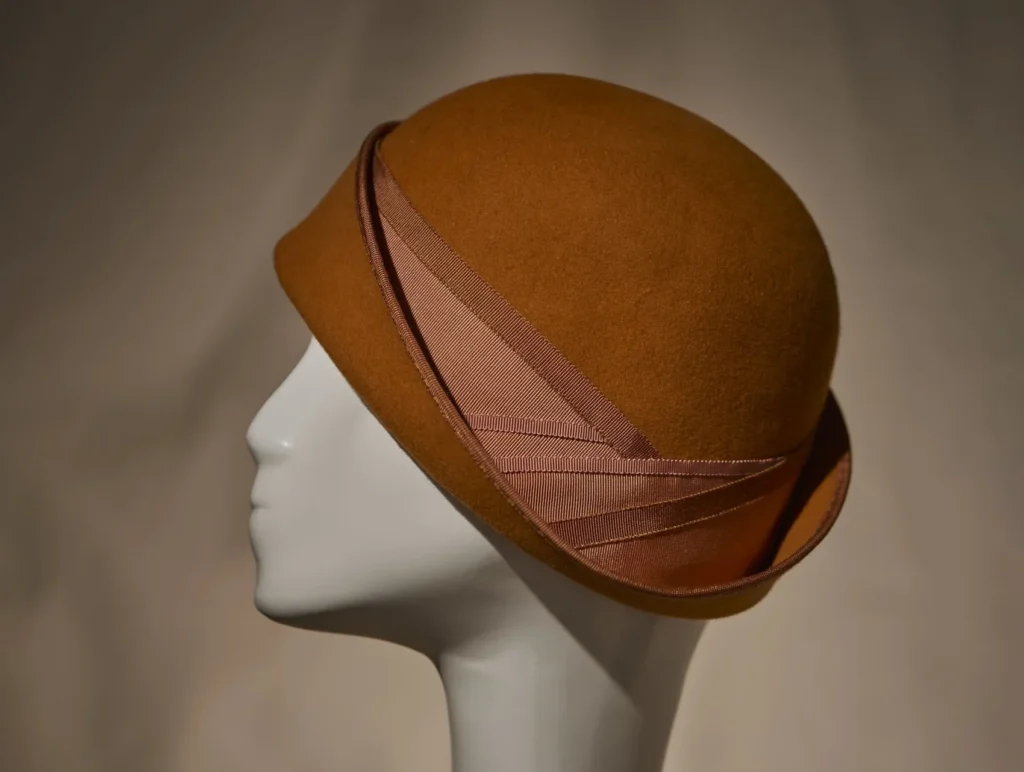
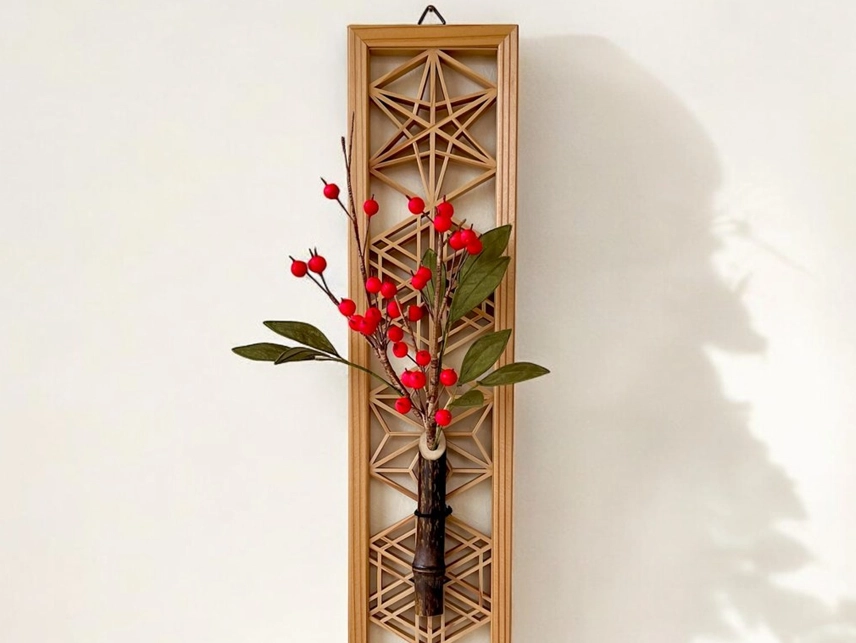
Being experienced in one creative field does not mean you have to stay there. An architect can return to drawing. A painter can learn welding or woodworking. A designer can explore traditional Japanese techniques or couture hatmaking.
Working with unfamiliar tools, materials, and processes can take you out of your usual habits and put your attention back on learning, experimenting, and discovering.

Let a class create some structure
Sometimes creativity needs a little structure. A class gives you a time, a place, a teacher, and other people making alongside you.
A recurring drawing or painting workshop can give you a reason to keep showing up. A multi-week course can give you more time to develop a practice. And a one-time workshop can simply introduce you to something you may want to explore further.
The structure does not need to become another obligation. It can simply make it easier to create regularly.

Make creativity part of an ordinary week
You do not need a major project or a completely free weekend to maintain a creative practice. Start with something you genuinely want to return to, then give it a place in your regular life.
That could mean an evening class, a Saturday workshop, drawing for an hour at home, writing in the morning, visiting a studio or exhibition, or trying a new creative experience every few weeks.
The goal does not have to be mastery. Making room to create regularly can be enough to keep the practice moving.
Credits & Notes: Unless otherwise noted, photographs and artwork featured in this article are © DoBeDoUs.